
Restore Access Through Dense Overgrowth
Brush and Underbrush Removal in Greenfield for Property Owners Reclaiming Fence Lines and Woodland Edges
Dense understory growth swallows fence lines, blocks access routes, and turns property edges into impenetrable barriers over time. Brush and underbrush removal clears this lower-level vegetation while preserving mature trees you want to keep, creating a managed landscape that remains functional and visually open. Iron Wolf Land Management handles selective or full underbrush clearing across residential and commercial properties in Greenfield, with specialized equipment that chips or mulches debris on site. Rain season affects ground access, so timing removal work around Central Indiana's wet periods prevents equipment from damaging soil structure or leaving deep ruts across your property.
Underbrush removal targets the dense layer of shrubs, saplings, and woody vines growing beneath the tree canopy, not the established trees themselves. The process involves cutting vegetation at ground level and processing it into mulch or chips that either stay on site or get removed depending on your preference. Maintaining mature trees requires careful equipment operation to avoid root damage or bark scarring that creates entry points for disease.
Request a property evaluation to identify underbrush density and determine how selective clearing preserves desirable trees.
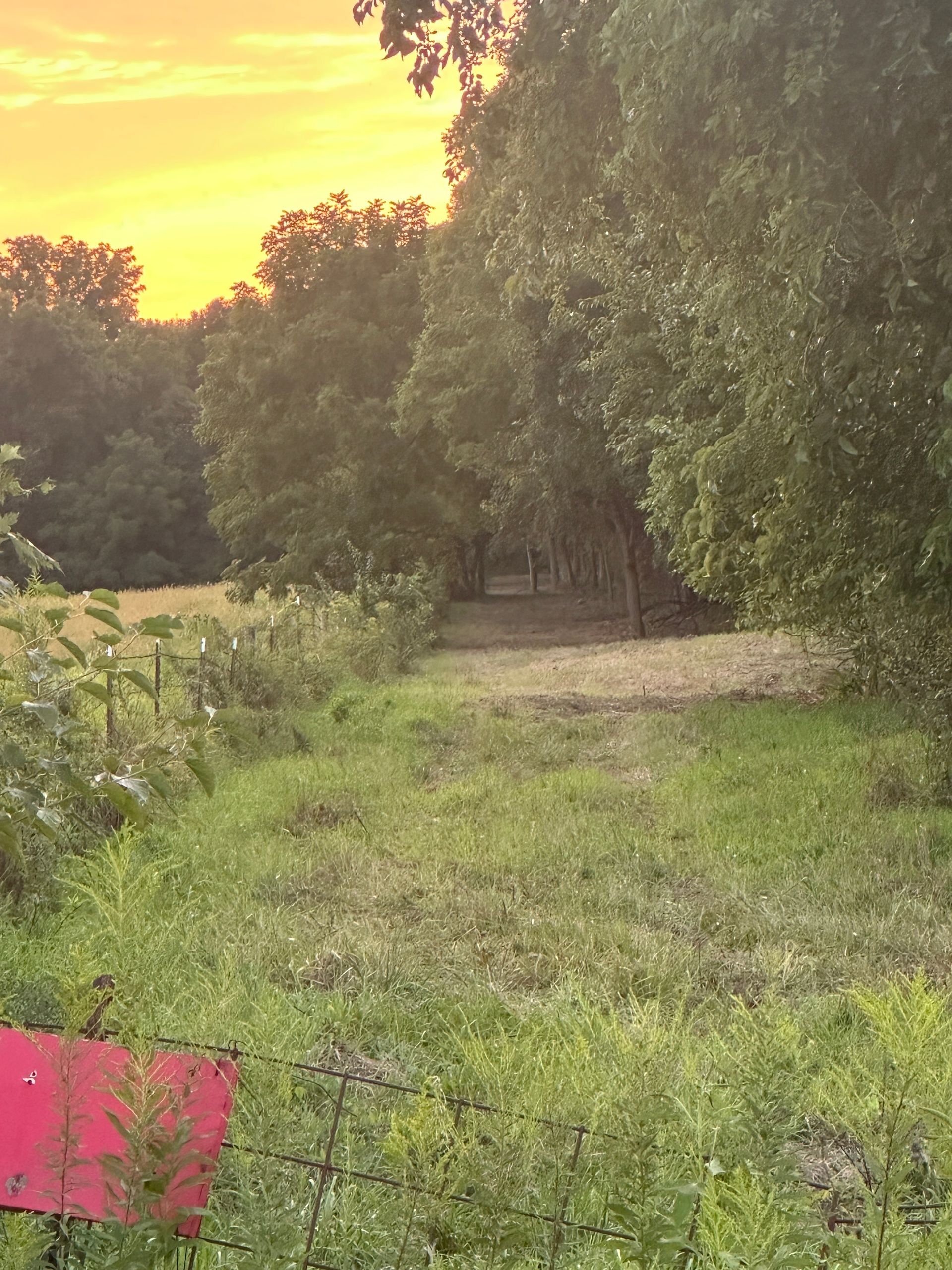
What Your Property Looks Like After Clearing
Underbrush removal changes how light reaches the ground and how easily you move through previously overgrown areas. The hyper-focused service model means equipment and expertise center exclusively on clearing operations rather than splitting attention across unrelated landscaping tasks. Specialized equipment cuts through dense growth quickly while processing debris on site, eliminating the need for manual hauling or off-site disposal that extends project timelines and increases costs.
After removal finishes, you see the trunks of mature trees that were previously hidden behind layers of brush and saplings. Fence lines become visible and accessible for maintenance or repair, walking paths open through areas that were blocked, and property boundaries become clear instead of disappearing into tangled growth. The ground layer shifts from impenetrable thicket to open woodland floor, and sunlight reaches soil that was shaded by dense understory for years, allowing grass or ground cover to establish naturally.
Selective removal preserves tree roots by avoiding deep grading or soil disturbance, but it does not include stump grinding, tree trimming, or pruning of overhead branches. If mature trees need canopy work or if stumps require removal below ground level, those involve different equipment and techniques. The focus remains on clearing the lower vegetation layer without compromising the health or stability of established trees you intend to keep.
Common Questions About Underbrush Clearing
Underbrush removal projects vary based on density, mature tree placement, and whether debris remains on site. These answers address key considerations before starting clearing work.
What defines underbrush versus trees that need removal?
Underbrush includes shrubs, saplings, woody vines, and dense ground-level vegetation that grows beneath the canopy of mature trees. Removal targets this lower layer while leaving established trees intact, though saplings may be cleared if they crowd desirable specimens or create fire hazards through excessive density.
How does equipment avoid damaging mature tree roots?
Specialized clearing equipment operates at ground level without deep soil excavation that severs roots or compacts soil around root zones. Operators adjust approach angles and cutting depth based on tree proximity, though shallow surface roots may experience minor disturbance during clearing of densely rooted areas.
Why does rain season affect underbrush removal in Greenfield?
Saturated ground from Central Indiana's rain season makes soil vulnerable to compaction and rutting when heavy equipment crosses it. Clearing during drier periods protects soil structure and prevents damage to root systems of trees you want to preserve, and equipment moves more efficiently across firm ground without risking getting stuck.
What happens to the debris after underbrush clearing?
Debris gets chipped or mulched on site and either spread as erosion control or removed entirely depending on your project needs. Leaving material on site completes the job faster and provides organic matter that breaks down over time, while removal creates a cleaner appearance and prevents mulch from smothering desired ground cover.
When is the best time to remove underbrush for fire safety?
Clearing before spring when vegetation enters active growth reduces fuel load during the driest part of the year and prevents underbrush from reaching peak density. Properties near wooded areas or in wildfire-prone zones benefit from clearing that creates defensible space and removes ladder fuels that allow ground fires to reach tree canopies.
Spring property preparation drives demand for underbrush clearing before the growing season accelerates. Iron Wolf Land Management provides removal services focused exclusively on clearing operations across Greenfield, Indianapolis, Carmel, and Fishers. Schedule a site visit to assess underbrush density, mature tree placement, and debris management options based on your property's current condition and intended use.