Water Access Routes That Actually Work
Pond and Creek Access Clearing in Greenfield for overgrown banks that prevent water access and limit property use
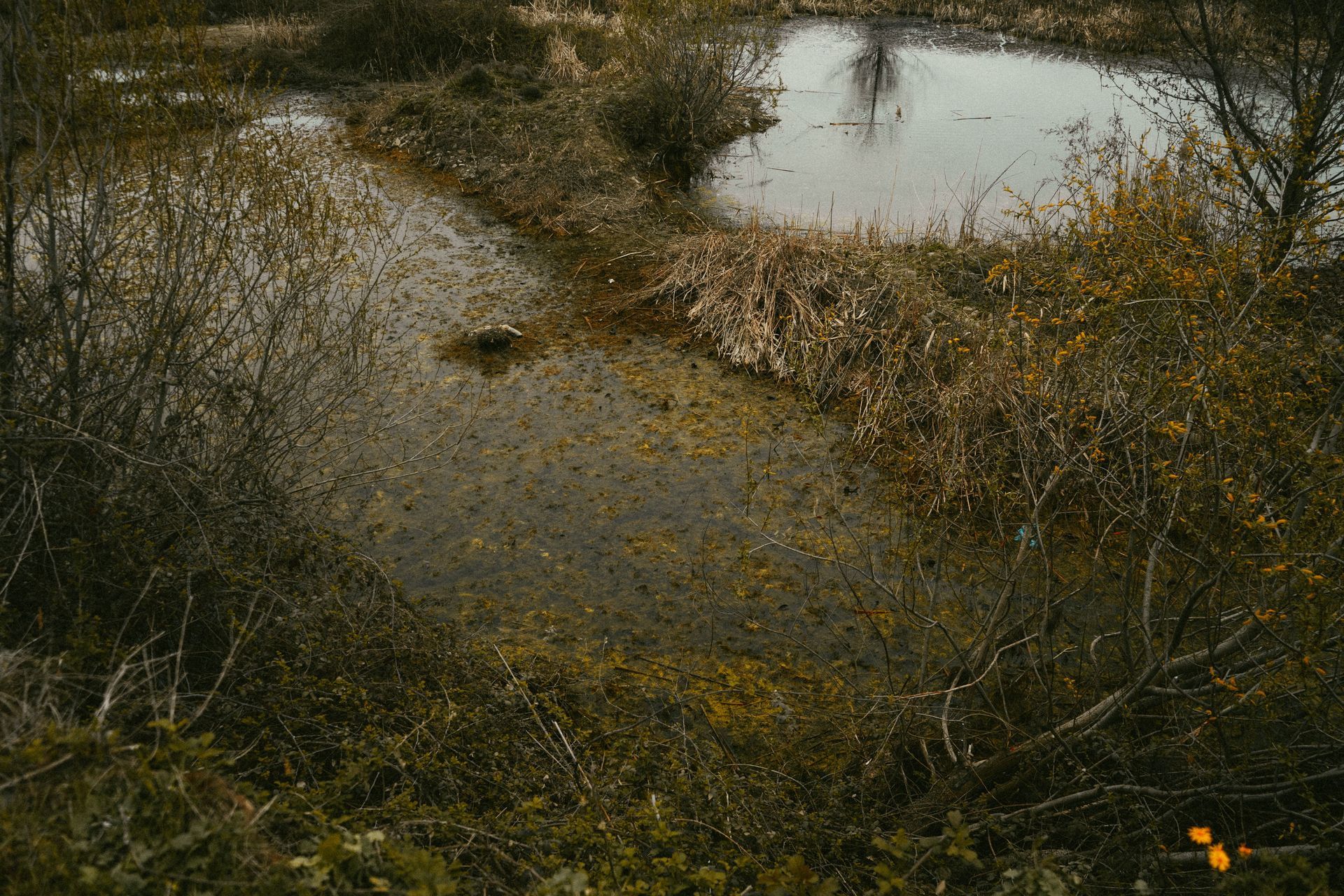
Central Indiana properties with ponds and creeks lose usable water access when bankside vegetation grows unchecked, making it difficult to reach the water for fishing, wildlife management, or simple property enjoyment. Iron Wolf Land Management removes brush, small trees, and debris along shorelines and creek banks without disturbing soil stability or creating erosion channels. Rain season fluctuations in Greenfield affect water levels and bank firmness, which determines when equipment can work near the water without sinking or damaging root structures that hold soil in place.
Clearing pond and creek access involves cutting back vegetation to expose the waterline and create approach routes while leaving root systems intact to prevent bank collapse. The goal is functional access without stripping banks down to bare soil, which would wash away during the next heavy rain.
Request a detailed estimate based on current bank conditions and the water access points you need restored.
What You Notice Once Water Access Is Cleared
The clearing process targets bankside brush and saplings that block water visibility and physical access, cutting material back to create open corridors without scalping the soil or removing the stabilizing root mat underneath. Equipment positioning minimizes ground pressure near soft banks, and debris is either removed or placed away from the waterline to avoid creating blockages during runoff events. Hunting properties benefit particularly from cleared creek crossings and pond edges, where wildlife movement patterns become visible and access for stand placement or trail cameras no longer requires cutting through the same growth every season.
Once clearing is finished, you'll walk to the water without fighting through undergrowth, see fish activity or wildlife movement from a distance, and assess water conditions without guessing what's happening behind a wall of vegetation. Cleared banks also make it easier to spot erosion, beaver activity, or debris dams before they create larger problems with water flow or property drainage.
The service focuses on vegetation removal and access creation but does not include bank stabilization, erosion repair, or pond dredging. If water levels have dropped due to siltation or if banks show active erosion, those issues require separate solutions beyond vegetation clearing.
Answers to Frequent Service Questions
Property owners managing land with water features in Greenfield often ask about process details, timing considerations, and what to expect after bankside clearing is complete.
What happens to root systems during bankside clearing?
Roots remain in place to stabilize soil and prevent erosion, while above-ground vegetation is cut back to ground level, so you get access without creating bare banks that wash away during runoff.
How do water levels in Greenfield affect when clearing can happen?
High water during spring rains makes banks too soft for equipment access, while low water in late summer exposes more shoreline but also reveals whether ponds need dredging or inlets need debris removal before clearing makes sense.
Why is creek access important for hunting property management?
Cleared creek banks and crossings allow wildlife movement observation, improve trail camera placement, and create natural funnels where deer and other game follow water sources, making it easier to pattern movement without disturbing thick cover unnecessarily.
What should I look for when deciding if my pond or creek needs clearing?
If you can't see the waterline from 20 feet back, or if reaching the water requires pushing through waist-high vegetation, the access has degraded to the point where functional use is limited and seasonal maintenance becomes impractical.
How close to the water can equipment work without causing damage?
Tracked machines distribute weight to avoid sinking, and operators position equipment on firm ground rather than soft banks, typically working within 10 to 15 feet of the waterline depending on soil stability and slope.
Iron Wolf Land Management specializes in water access clearing for Greenfield properties where ponds and creeks serve hunting, recreation, and land management purposes. Arrange a property evaluation to review your specific water access needs and bank conditions.