Build Access Routes Through Wooded Property
Trail Creation in Greenfield for Hunting Property Owners Improving Access During Seasonal Conditions
Hunting properties, recreational land, and large wooded parcels need defined access routes that remain usable during wet conditions and provide efficient movement without disturbing wildlife or damaging sensitive areas. Trail creation involves site assessment to identify optimal routing, brush removal to clear the corridor, and grading with compaction to create a stable surface that handles foot traffic, ATV use, or light vehicle access depending on your property's intended use. Iron Wolf Land Management designs and builds trails across Central Indiana with owner-operator expertise in land routing, and seasonal access during rain season affects both construction timing and long-term trail durability since saturated ground creates rutting and erosion problems that undermine trails built without attention to drainage and soil conditions.
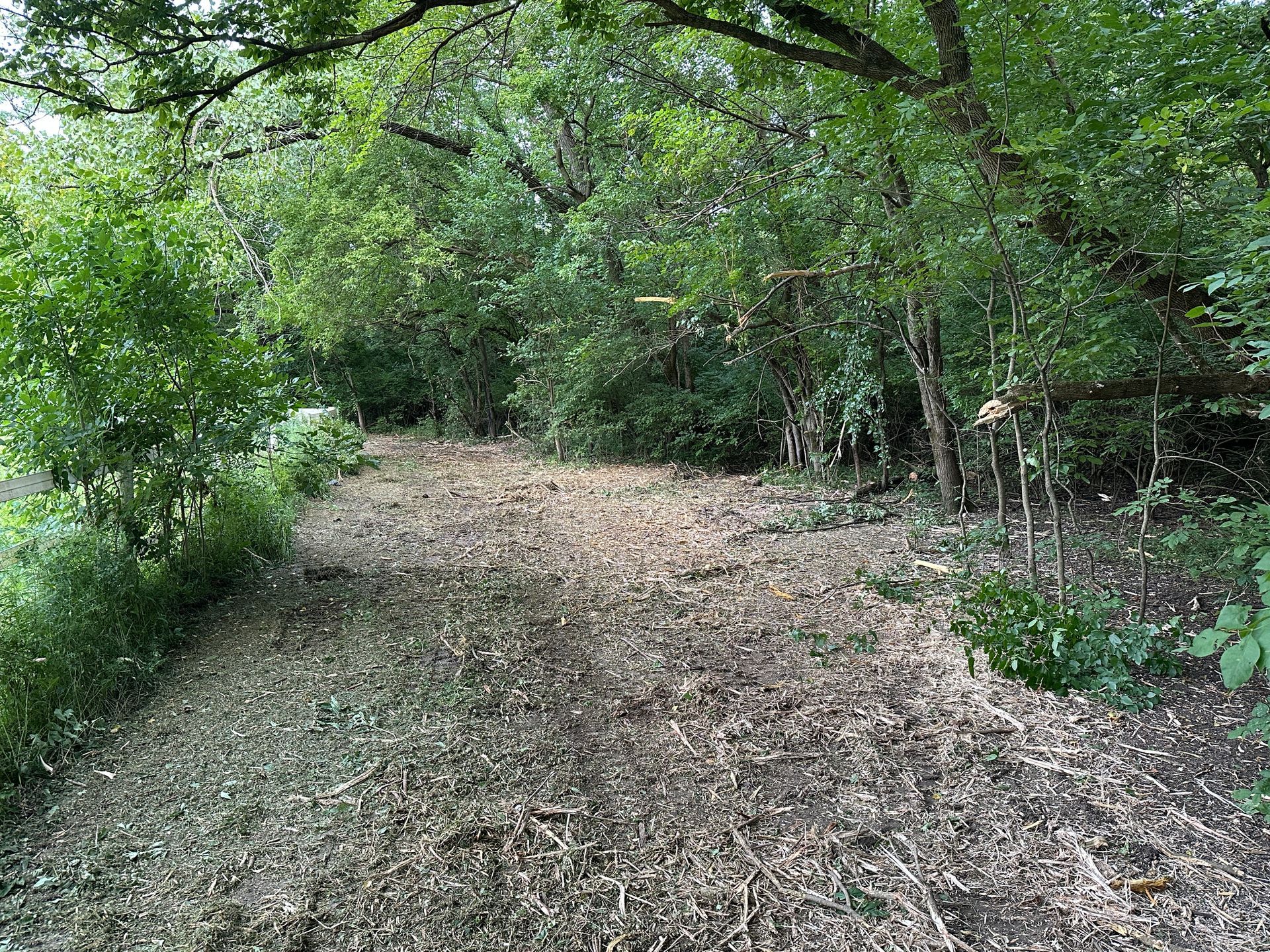
Trail building begins with walking the property to evaluate topography, soil drainage, and existing vegetation. Routes follow natural contours to minimize grading while avoiding steep slopes that erode quickly and wet areas that remain muddy year-round. Brush removal clears the corridor, and grading with compaction creates a firm surface that sheds water rather than collecting it. Access optimization considers how trails connect key features like stands, food plots, or property boundaries without creating excessive disturbance or noise that affects wildlife movement patterns.
Arrange a site assessment to review terrain, drainage patterns, and intended trail use before routing and construction begin.
What Proper Trail Construction Requires
Trail construction addresses drainage from the start because water flowing along the trail surface creates ruts, washouts, and mud holes that make trails impassable during rain and deteriorate further with each use. Grading establishes a crowned or outsloped surface that directs water off the trail rather than allowing it to pool or channel along the route. Compaction stabilizes the soil and prevents the surface from breaking down under repeated traffic, and material placement in low spots or wet areas creates a stable base where natural soil remains too soft for reliable access.
Once construction finishes, you have a defined route that remains firm during wet conditions instead of turning into a muddy trench after rain. The trail follows a logical path through your property, connecting key areas without excessive elevation changes or unnecessary distance. Vegetation cleared from the corridor stays low through repeated traffic and maintenance, while trees and brush on either side provide screening that maintains the property's natural appearance. Compacted surfaces resist rutting from ATV tires or foot traffic, and proper drainage prevents erosion that would otherwise undercut the trail and require constant repair.
Trail creation establishes the initial corridor and surface but does not include ongoing maintenance, seasonal vegetation control, or surfacing with imported gravel or stone. If your property requires hardened surfaces for heavy vehicle access or if annual maintenance is needed to control regrowth and maintain drainage, those involve separate services. The construction phase focuses on routing, clearing, and grading that creates a stable, erosion-resistant trail ready for immediate use.
What Property Owners Ask About Trail Building
Trail creation projects depend on property terrain, soil conditions, and how the trail will be used. These answers cover key considerations before starting construction.
How does site assessment determine trail routing?
Site assessment evaluates topography, drainage patterns, soil type, and existing vegetation to identify routes that minimize grading while avoiding problem areas. Trails follow natural contours where possible, skirt wet areas that remain muddy, and connect key property features without creating steep grades that erode quickly or require excessive clearing through dense growth.
What makes a trail usable during Central Indiana's rain season?
Proper drainage and compaction keep trails firm during wet conditions. Crowned or outsloped surfaces shed water off the trail instead of letting it flow along the route and create ruts. Compacted soil resists becoming saturated and muddy, and placement of coarse material in naturally wet areas creates a stable base that stays firm even when surrounding ground is soft.
Why does hunting property trail design differ from recreational trails?
Hunting trails prioritize minimal disturbance and quiet access to stands or blinds without alerting game. Routes avoid ridgelines and open areas where movement is visible, follow cover that conceals foot traffic, and minimize cleared width to reduce visual impact. Recreational trails emphasize scenic value and ease of walking, often following ridges for views and clearing wider corridors for comfortable side-by-side travel.
What determines trail width and clearing limits?
Trail width depends on intended use: foot traffic requires a narrow corridor, ATV use needs wider clearance for handlebars and turning radius, and light vehicle access requires enough width to prevent mirrors or sides from catching brush. Clearing width balances access needs against maintaining natural screening and minimizing visual impact from adjacent properties or roads.
When should trail construction happen to avoid ground damage?
Building during dry periods prevents equipment from compacting saturated soil or creating deep ruts that remain after the trail is finished. Spring build-out cycles drive demand for trail work before hunting season or recreational use begins, but scheduling must account for ground conditions that allow equipment access without causing long-term damage to soil structure.
Hunting property specialization means trail routing considers wildlife movement, stand placement, and seasonal access patterns unique to managed land. Iron Wolf Land Management provides trail design and construction across Greenfield, Indianapolis, Carmel, and Fishers. Contact the business to schedule a property walk-through where terrain is evaluated, routing options are discussed, and construction methods are explained based on your property's soil conditions, drainage patterns, and intended trail use throughout the year.