Stop Aggressive Plants From Taking Over
Invasive Species Removal in Greenfield for Property Owners Restoring Native Ecosystems and Trail Access
Regional invasive species in Central Indiana threaten native plant communities by outcompeting established vegetation and altering soil chemistry in ways that prevent native regeneration. Invasive plants spread through property edges, trail corridors, and woodland understory, creating dense monocultures that displace the diverse native ecosystems landowners expect. Iron Wolf Land Management identifies and removes invasive species from residential properties, commercial land, and trail systems across Greenfield and surrounding areas, with spring removal timing critical for land health because it stops seed production before the growing season accelerates spread into previously unaffected areas.
Invasive species removal requires identification of target plants, followed by mechanical removal that extracts root systems and prevents regrowth. Common invasives in the region include woody vines, shrubs, and ground covers that form impenetrable stands once established. The process involves cutting, pulling, or grinding invasive vegetation and disposing of material in a way that prevents seed dispersal or root fragments from establishing new colonies. Habitat restoration support focuses on creating conditions where native species can return naturally rather than immediately replanting cleared areas.
Schedule a property evaluation to identify invasive species present and determine removal methods that prevent regrowth.
Why Invasive Removal Requires Specialized Focus
Invasive species removal differs from general brush clearing because it targets specific plants known to disrupt ecosystems while leaving native vegetation intact. Understanding local invasive pressure means recognizing which species threaten your property and how they spread, since removal methods that work for one invasive may fail for another. Specialized focus on land reclamation ensures removal efforts address root systems and seed banks rather than just cutting visible growth that regrows within weeks.
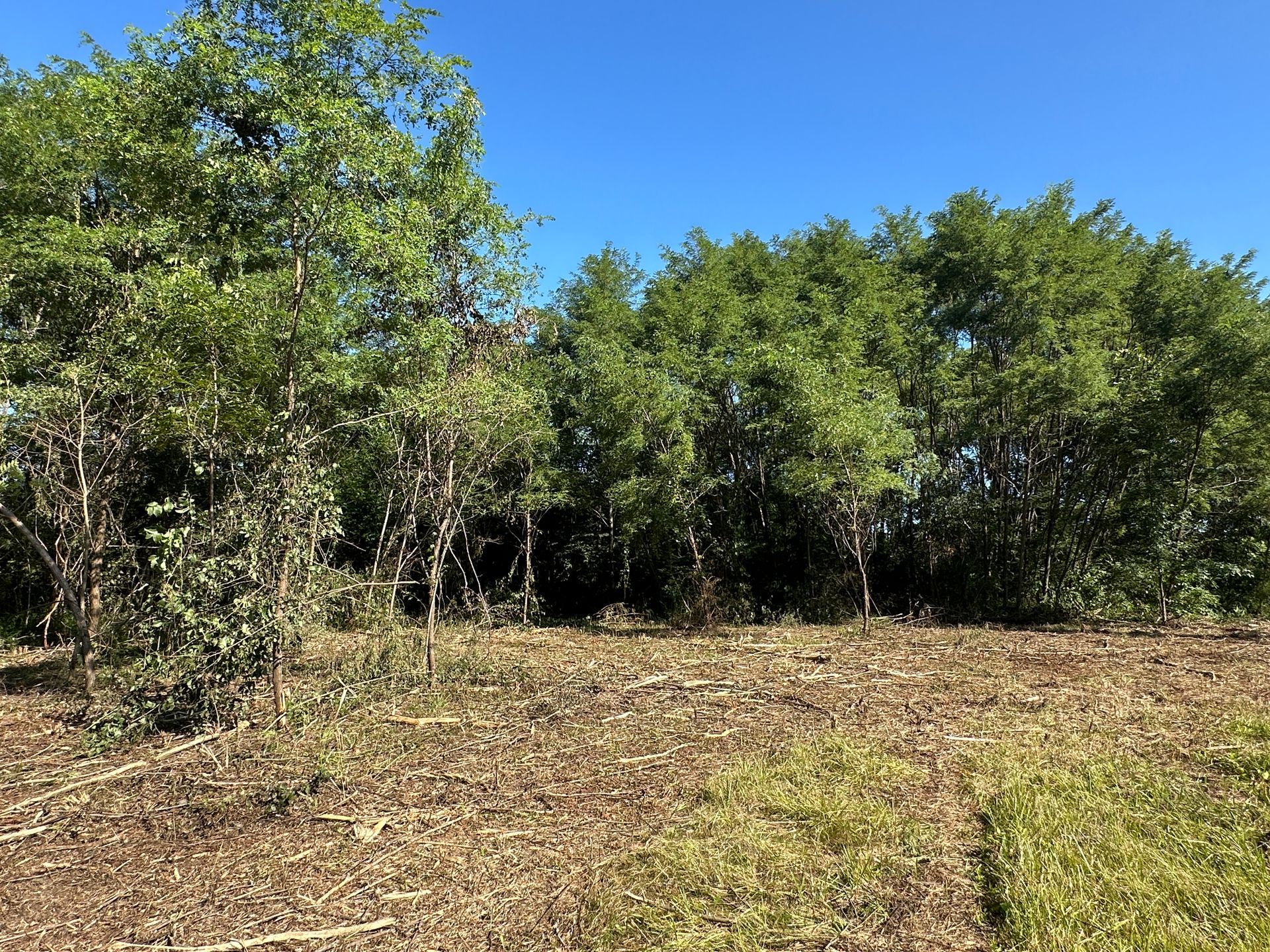
After removal, previously choked areas open up and native plants begin reappearing without active replanting. You notice increased diversity in ground cover as native wildflowers, grasses, and shrubs fill spaces that were occupied by invasive monocultures. Trail access improves when aggressive vines and spreading shrubs no longer block paths or create trip hazards, and property edges transition from invasive-dominated thickets to mixed native vegetation that supports local wildlife and requires less maintenance over time.
Removal focuses on mechanical extraction and does not include chemical treatment or herbicide application. If your property has established invasive populations that require multi-year management or chemical control to prevent regrowth, those approaches involve different licensing and methods. Debris disposal follows protocols that prevent seed spread, meaning material does not get mulched on site if it contains viable seeds or root fragments capable of establishing new growth.
Answers to Frequent Invasive Species Questions
Invasive species removal in Greenfield depends on which plants are present, how extensively they have spread, and what native vegetation remains. These answers address common concerns before starting removal work.
What invasive species are most common in Central Indiana?
Woody invasives like bush honeysuckle, multiflora rose, and autumn olive dominate property edges and woodland understory, while vines such as Japanese honeysuckle and Oriental bittersweet climb trees and smother native vegetation. Ground covers like lesser celandine and garlic mustard spread rapidly through moist areas and displace native wildflowers that provide early-season forage for pollinators.
How does spring timing improve removal success?
Spring removal stops invasive plants before they set seed and spread to new areas. Many invasives leaf out earlier than native plants, making them easier to identify and remove before native vegetation emerges. Targeting removal during this window reduces seed production for the year and prevents juvenile plants from establishing in areas where mature invasives were previously removed.
Why do some invasive species require multiple removal sessions?
Species with extensive root systems or persistent seed banks regrow from fragments left in the soil or seeds that remain viable for years. Initial removal clears mature plants, but follow-up sessions target regrowth from roots and seedlings that emerge from the seed bank, gradually exhausting the invasive population through repeated removal before natives can establish.
What happens to the debris after invasive species removal?
Material gets hauled off-site and disposed of properly to prevent seed dispersal or root fragment establishment. Invasive debris does not get mulched on site or left in piles because many species regenerate from small fragments, and seeds can survive composting or mulching processes that would kill native plant material.
How do I know if my property has invasive species?
Invasive plants often form dense, uniform stands that exclude other vegetation, leaf out earlier or stay green later than surrounding plants, and spread aggressively along property edges or disturbed areas. Site assessment identifies specific species present, evaluates how extensively they have spread, and determines removal methods that prevent regrowth while protecting native plants you want to preserve.
Iron Wolf Land Management specializes in land reclamation and understands regional invasive pressure affecting properties across Greenfield, Indianapolis, Carmel, and Fishers. Reach out to arrange a site visit where invasive species are identified, removal methods are explained, and habitat restoration support is outlined based on your property's current condition and long-term land management goals.