Remove Trees and Stumps for Buildable Ground
Land Clearing in Greenfield for Property Owners Preparing Residential and Commercial Sites Before Development
Spring construction cycles in Central Indiana create concentrated demand for land clearing as developers and property owners prepare sites before building season begins. Iron Wolf Land Management removes trees, stumps, and brush from residential, commercial, and hunting properties across Greenfield and surrounding areas. Weather-dependent operations mean rain season impacts work scheduling, and ground conditions determine how quickly equipment can move across your lot without causing damage or delays that push your project past key deadlines.
Land clearing involves equipment-based removal of all vegetation and root systems within your project footprint, creating a clean surface ready for grading, construction, or landscaping. Debris gets mulched on site or hauled away depending on your project scope and timeline. The choice affects both cost and how quickly the site becomes usable, since mulching completes faster than load-and-haul operations but leaves organic material on the ground that may need spreading or incorporation.
Arrange an on-site consultation to identify clearing requirements based on vegetation type and ground conditions.
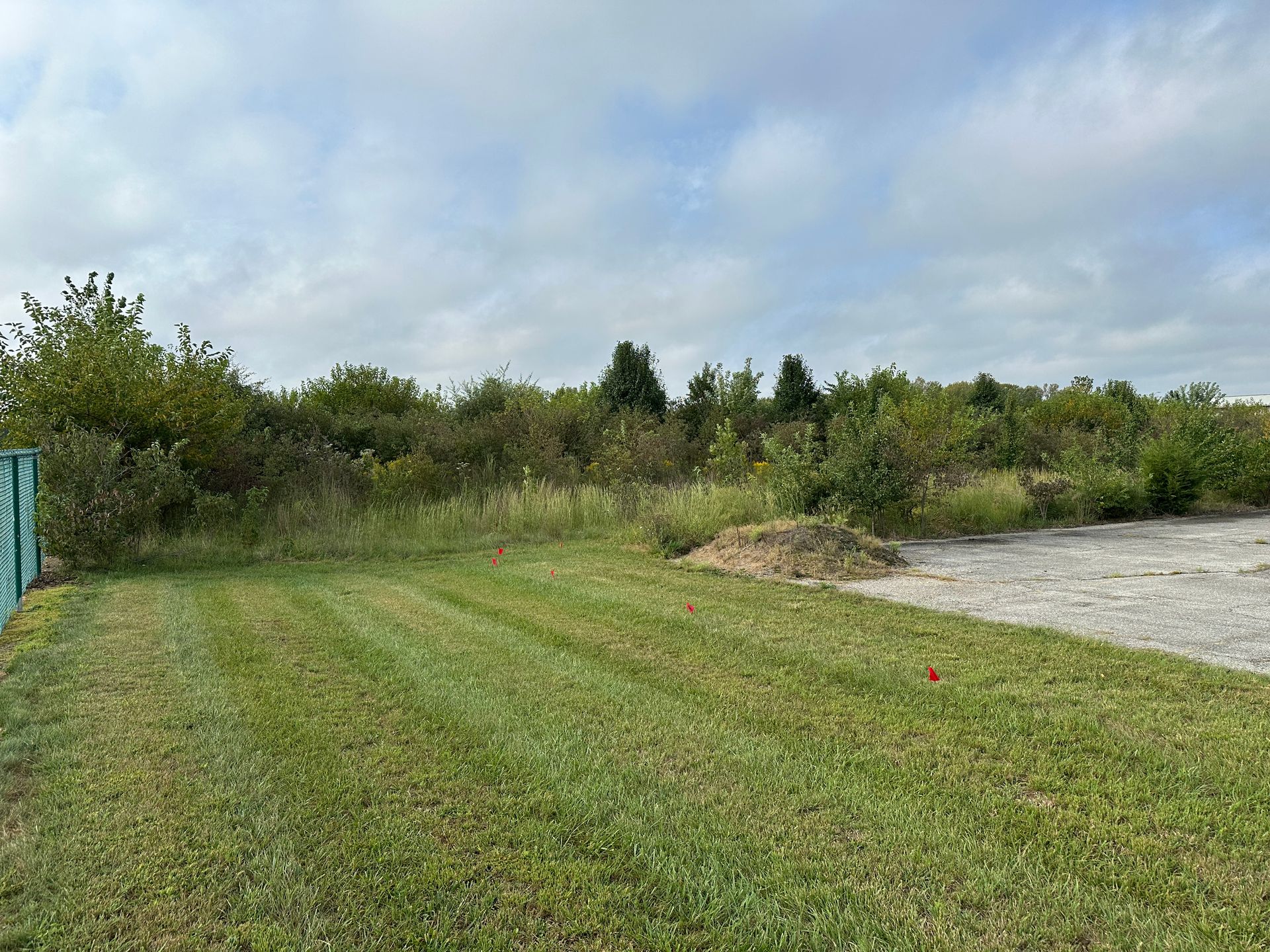
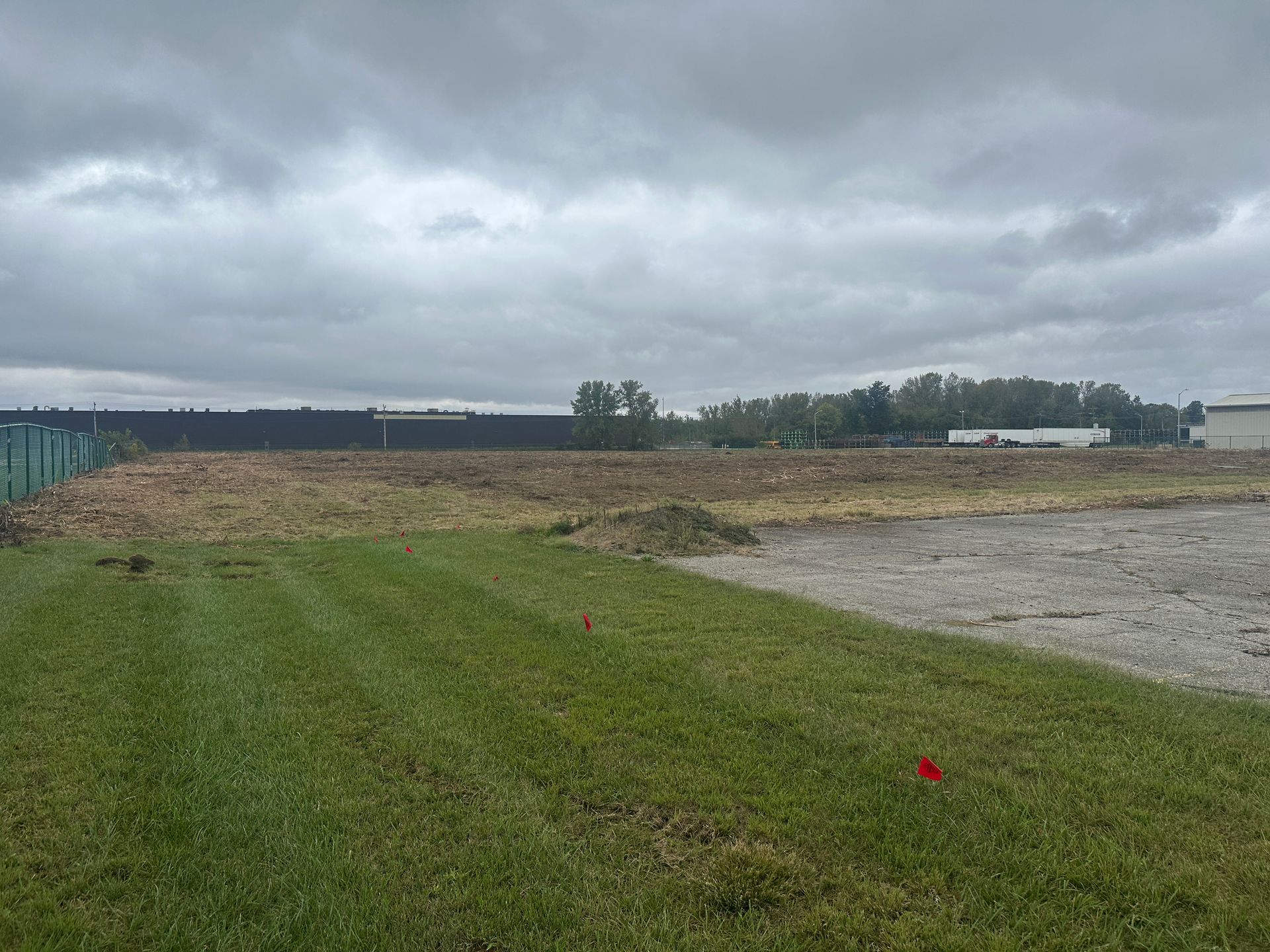
How Equipment-Based Clearing Prepares Your Site
The clearing process removes not just visible vegetation but also root systems that interfere with construction or landscaping. Iron Wolf Land Management owns all equipment used in clearing operations, which means no delays waiting for rented machines or subcontractor availability during peak spring demand. Equipment selection depends on tree size, density, and whether stumps require grinding below grade or removal entirely.
Once clearing finishes, your property transitions from wooded or overgrown land to a defined footprint with no obstructions above or below the surface. You can walk the entire site without navigating around trees, stumps, or dense brush, and construction equipment can access all areas without risk of damage from hidden roots or debris. The cleared boundary matches your project specifications, and full site cleanup means no remaining piles, slash, or woody material that could interfere with the next phase of work.
The service includes vegetation removal and site cleanup but does not extend to grading, drainage installation, or soil amendment. If your project requires elevation changes, drainage solutions, or topsoil replacement, those involve separate contractors and equipment. The clearing phase focuses on creating an obstruction-free surface that allows other trades to begin work without navigating around trees or removing leftover debris.
What to Know Before Starting Land Clearing
Land clearing projects across Greenfield depend on site size, vegetation density, and whether debris stays on site or gets hauled. These answers cover common concerns before beginning work.
How does rain season timing affect land clearing?
Central Indiana's rain season creates ground saturation that limits heavy equipment access and can cause rutting or soil compaction. Scheduling clearing work during drier periods protects your soil structure and prevents equipment from becoming stuck, which delays the project and increases costs when additional equipment is needed for recovery.
What is included in full site cleanup?
Full cleanup means all cut vegetation, stumps, and debris either get mulched and spread evenly across the site or loaded and hauled off-site. The cleared area is left free of obstructions, and organic material does not remain in piles or along property edges where it interferes with construction access or creates fire hazards.
Why does spring demand affect scheduling?
Spring build-out cycles in Greenfield concentrate land clearing requests into a narrow window before the growing season. Property owners and developers compete for the same equipment and operators, so projects booked early secure priority scheduling while late requests may face delays that push work into less favorable weather conditions.
What determines whether debris gets mulched or hauled?
Mulching works when organic material can remain on site as erosion control or soil amendment, completing the job faster and at lower cost. Hauling becomes necessary when the site requires a completely clean surface for immediate construction, when local regulations prohibit leaving debris, or when the volume exceeds what can be mulched and spread effectively.
When should I schedule clearing for a spring construction project?
Clearing should finish before other trades need site access, accounting for weather delays and equipment availability. Starting in late winter or early spring before ground saturation peaks allows the site to dry and settle after clearing, so grading and foundation work can proceed without waiting for conditions to improve.
Iron Wolf Land Management handles residential, commercial, and hunting property clearing as a solo owner-operator with dedicated equipment serving Greenfield, Indianapolis, Carmel, and Fishers. Contact the company to review your site conditions, project timeline, and debris management options based on your specific construction or development schedule.