
Property Boundaries That Stay Clearly Defined
Fence Line Clearing in Greenfield for overgrown boundaries that block access and obscure property lines
Fence lines that disappear under years of brush accumulation prevent maintenance access and create uncertainty about where your property actually ends. Iron Wolf Land Management clears vegetation, small trees, and accumulated debris along boundary lines so you can see exactly where your fences run and reach them without fighting through growth. Properties across Greenfield typically see the heaviest regrowth along fence lines during spring, when rainfall saturates ground conditions and accelerates vegetation spread.
This service removes the undergrowth and small woody material that buries fence posts and wiring, restoring the sight line from one end of your property to the other. When rain softens the ground in Central Indiana, root systems pull more easily, but timing the work requires equipment that won't rut saturated soil.
Schedule a property evaluation to identify sections where vegetation has overtaken your boundary lines.
What Proper Fence Line Work Requires
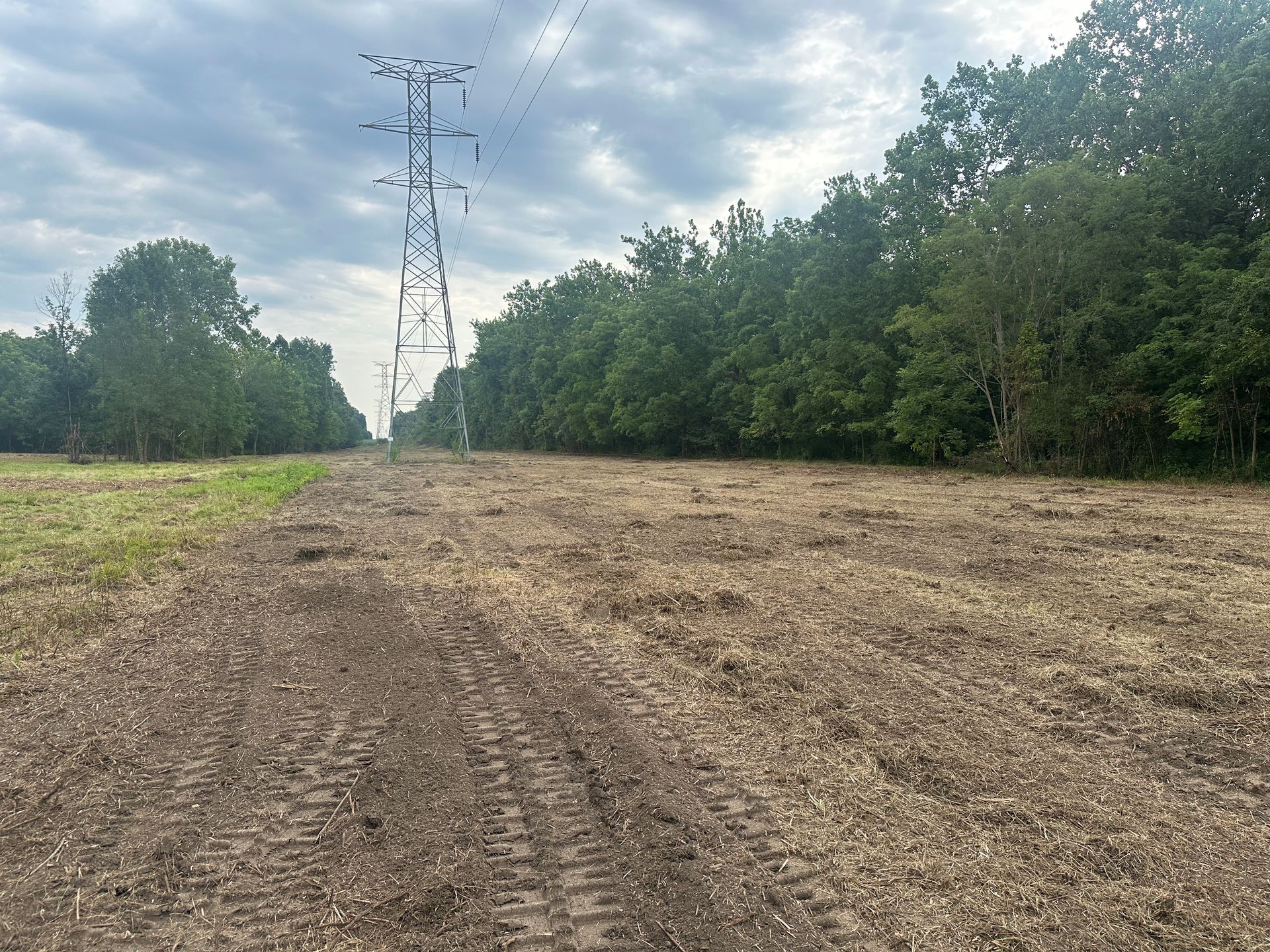
The clearing process targets everything from waist-high brush to saplings pressing against fence wiring, cutting material down to ground level and either hauling debris off-site or mulching it in place depending on your preference. Tracked equipment minimizes ground disturbance even when soil conditions are less than ideal, which matters during Greenfield's wet springs when wheeled machines would leave deep ruts along property edges.
Once the work finishes, you'll see your fence posts clearly from a distance, walk the entire line without pushing through growth, and assess wire condition without guessing what's hidden underneath. The cleared corridor also makes it straightforward to run string trimmers or perform repairs without clearing the same ground twice.
The service includes vegetation removal along the fence corridor but does not address fence repairs, post replacement, or grading work. If your fence line runs through low-lying areas where standing water collects, drainage conditions may require separate attention before long-term maintenance becomes practical.
Questions Before Starting Your Project
Property owners managing rural land in Greenfield often ask about timing, process details, and what to expect after the clearing work wraps up.
What happens to the cleared material after the vegetation is removed?
Debris is either hauled away or mulched in place along the fence line, depending on what works better for your property layout and whether you want organic material left to decompose or the corridor completely cleared.
How does rain season timing affect the work schedule in Greenfield?
Spring rains soften the ground and make root removal easier, but saturated soil can delay access on properties without firm paths, so scheduling flexibility helps match equipment movement to ground conditions.
Why does brush return faster along fence lines than in open areas?
Fence rows create windbreaks that trap seeds and retain moisture, which accelerates regrowth compared to exposed fields, meaning fence lines typically need clearing every few years to prevent the same accumulation.
What should I look for when evaluating whether my fence line needs clearing?
If you can't see individual fence posts from 50 feet away, or if walking the line requires pushing through branches and vines, the vegetation has reached the point where it interferes with both visibility and maintenance access.
How wide is the cleared corridor along the fence line?
The typical clearing width extends three to five feet on either side of the fence, which provides enough room to walk the line comfortably and operate handheld equipment without immediately cutting into uncleared growth.
Iron Wolf Land Management handles fence line clearing across Greenfield and surrounding Central Indiana properties where boundary definition and maintenance access matter. Request a property consultation to review your specific fence line conditions and clearing priorities.